Sloped Properties
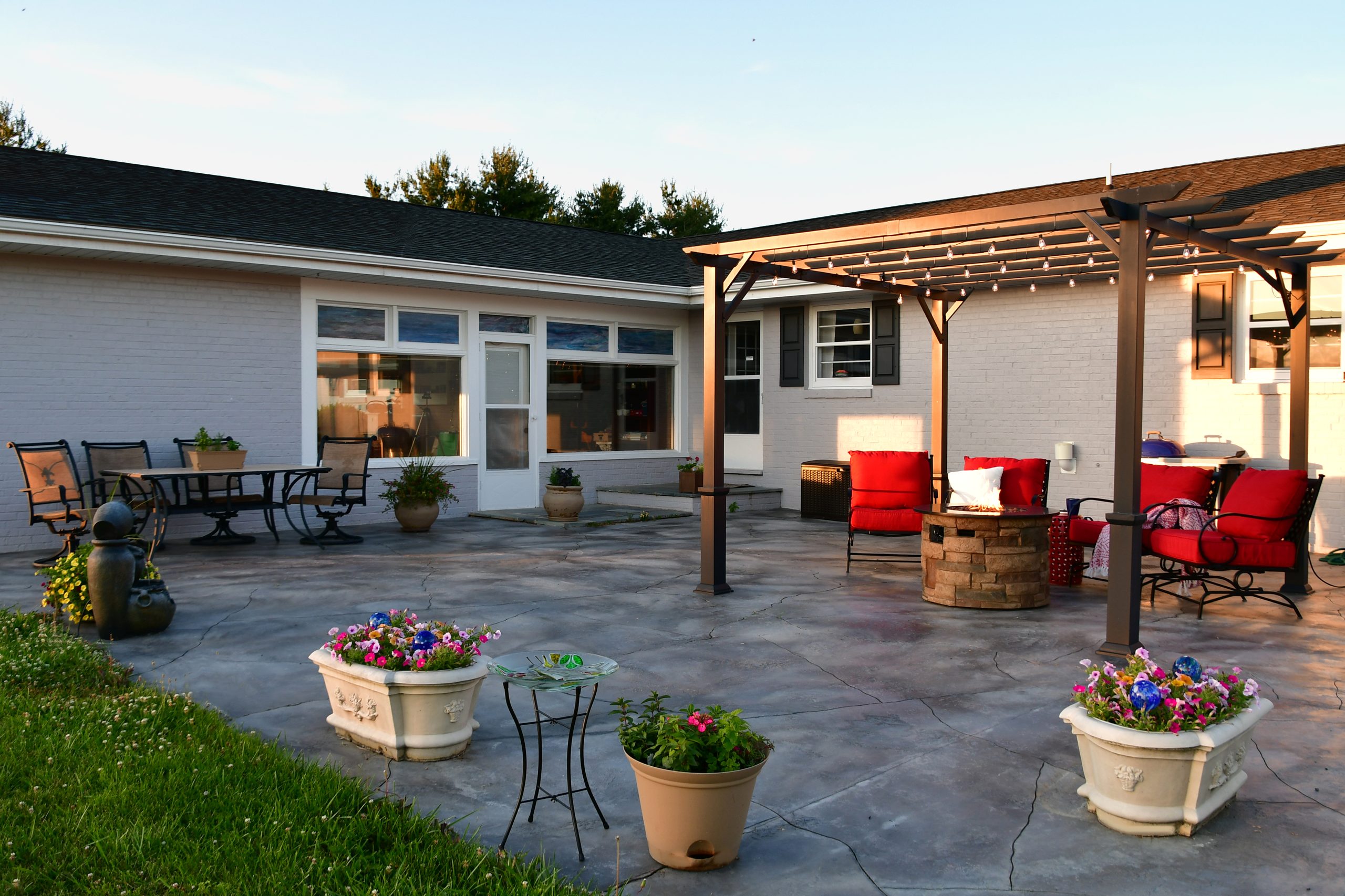
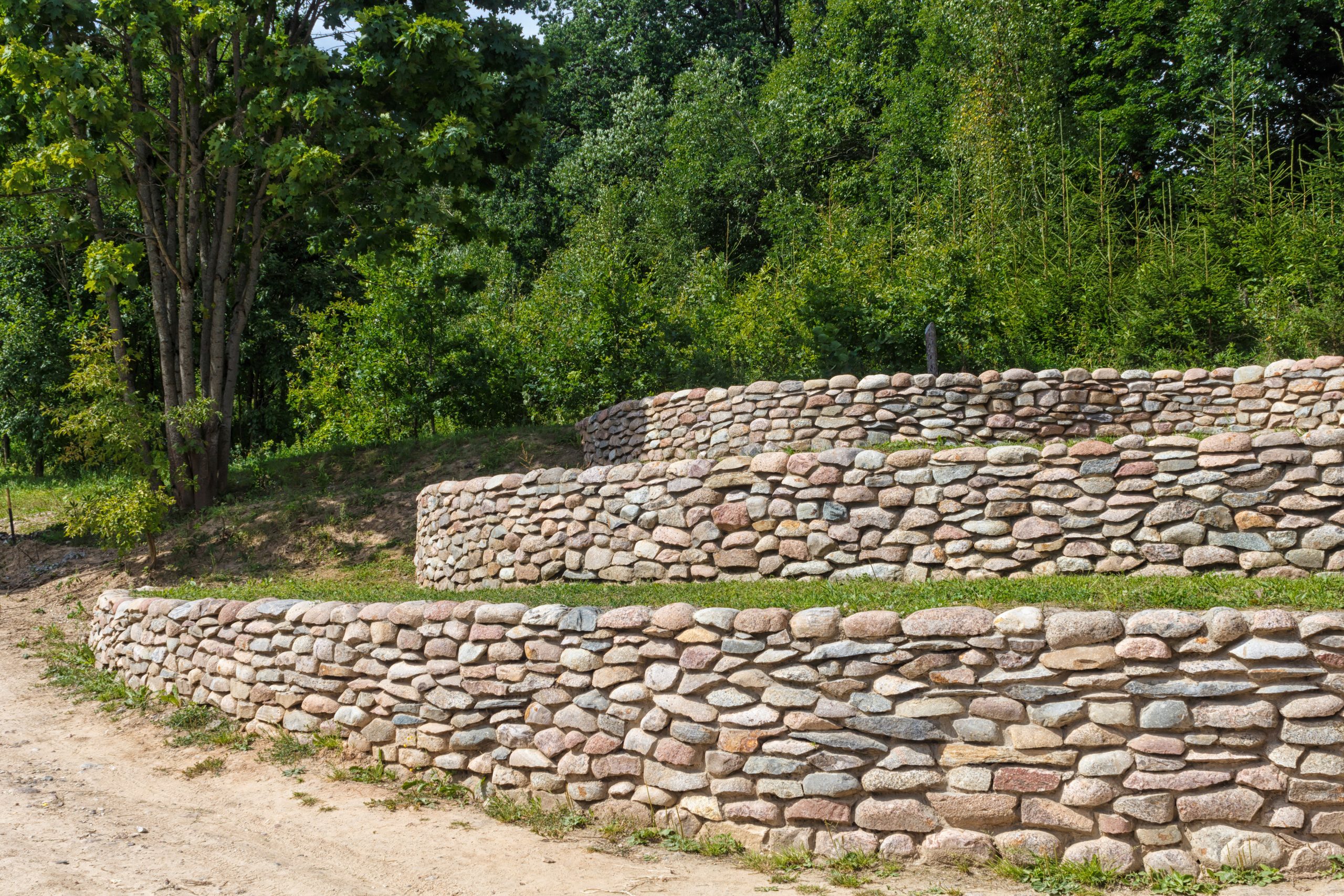
Retaining walls create level terraces, transforming unusable terrain into functional areas for patios and lawns.
Retaining Walls
Professional retaining walls turn challenging terrain into valuable, usable areas while solving erosion problems and adding architectural beauty. They hold soil in place on slopes, create level terraces for outdoor living, and provide the structural foundation for patios, gardens, and yards where elevation changes previously prevented comfortable use.
Overview
A retaining wall holding back soil is a structural element — subject to earth pressure, water load, and Virginia’s freeze-thaw cycles. That’s why every Heritage wall is built on a proper footing with backwall drainage, so it holds its line for decades. And because a wall is also one of the most visible features of your landscape, we build with natural stone and premium block that add dimension, texture, and visual depth.
Hold soil firmly in place, preventing washout, gullies, and progressive damage to your property.
Transform steep, unusable slopes into functional terraces perfect for patios, lawns, gardens, and outdoor activities.
Well-designed walls add architectural interest, texture, and visual depth to landscapes.
Perfect For These Situations
Professional retaining wall installation solves challenging terrain issues while adding functionality and beauty to your property.
Retaining walls create level terraces, transforming unusable terrain into functional areas for patios and lawns.
Soil washing away during rain creates unsightly gullies and threatens structures downslope. A wall stops it permanently.
Need flat areas for outdoor living on a sloped lot? Walls hold back earth to create level space for patios and driveways.
Gravel backfill and drain systems behind every wall relieve water pressure — the number-one reason walls fail without it.
From natural stone to architectural block, we work with you through stone selection and design until the vision is right.
Multi-level and curved wall systems that follow your landscape’s natural lines — as beautiful as they are structural.
Our Approach
Walk the property, measure grades and wall heights, and discuss stone options and design direction.
Wall layout, materials, and drainage plan in a clear, itemized proposal — with permits and HOA approvals handled where required.
Excavate to footing depth and build the compacted base the wall will stand on for decades.
Each course placed with precision — chipping, sawing, and fitting stone — with backwall drainage installed as the wall rises.
Cap stones set, backfill compacted in lifts, and the surrounding landscape restored clean.
Diego’s crew worked full days for 3 weeks, chipping, sawing, installing the backwall drainage, carefully placing each stone with precision to create a beautiful 3 level curved design! We are absolutely in love with our new retaining wall.
Teresa Giesting
Google Review
Common Questions
Three reasons: no drainage behind the wall, an undersized footing, or construction that ignores the soil load. Every Heritage wall includes backwall drainage and a proper compacted footing — the details that determine whether a wall lasts 5 years or 50.
Most Northern Virginia jurisdictions require permits for walls above a certain height (commonly 2–4 feet depending on the county). We handle permit applications and HOA approvals as part of the project.
Both have a place. Natural stone delivers unmatched character and is ideal for showcase walls; engineered block systems offer strong performance at a lower cost. We present both options with samples so you can decide on your property, in your light.
In most cases, yes. A properly drained retaining wall stops soil movement at the source and protects everything downslope. During the consultation we’ll diagnose the cause and design the wall — and any grading — to solve it permanently.
Stop watching your property wash away or struggling with unusable steep terrain. Professional retaining wall installation stabilizes slopes, prevents erosion, and creates valuable level spaces you can actually use.